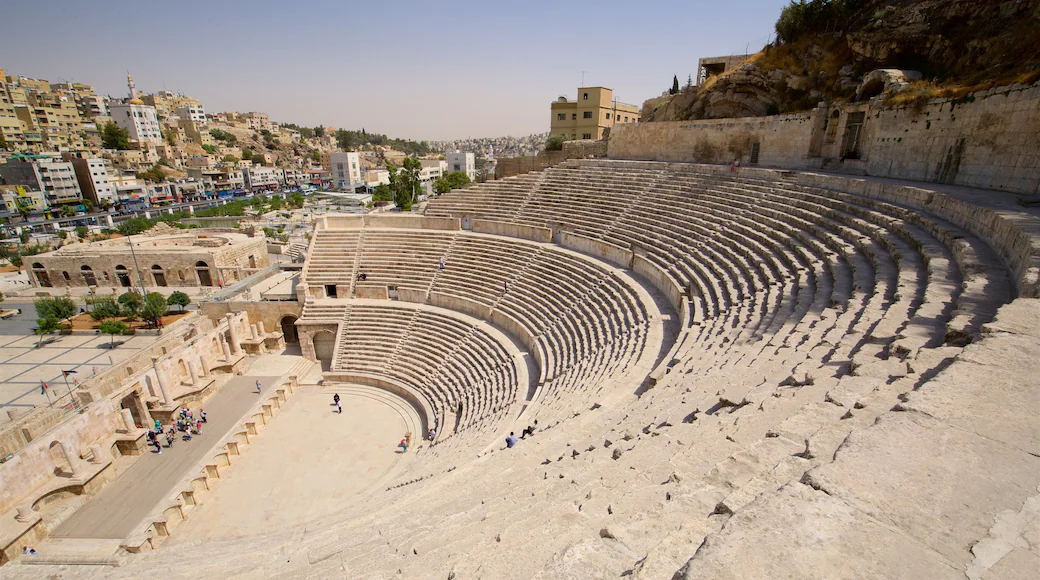
Roman Theatre
A second-century landmark built into the hillside, capable of seating 6,000 spectators.
Climb to the top row for a view of the city center.

Amman's downtown core is best understood on foot, where Roman ruins meet bustling souks and hillside staircases connect neighborhoods separated by millennia. Free walking tours operate daily, led by local guides who work on a tip basis and cover the historical heart in two to three hours. The routes are flexible, the entry barrier is zero, and the insights run deeper than any map.
Quick answer
Free walking tour Amman Jordan options run daily with no fixed entrance fee—guides work for voluntary tips, typically 5–10 JOD per person depending on group size and tour length. Most tours depart from landmarks near the Roman Theatre in downtown and cover the Citadel views, Rainbow Street, souk alleyways, and King Faisal Street over two to three hours. Tours operate year-round; the best arrival window is 09:00–17:00 for optimal daylight and manageable heat.
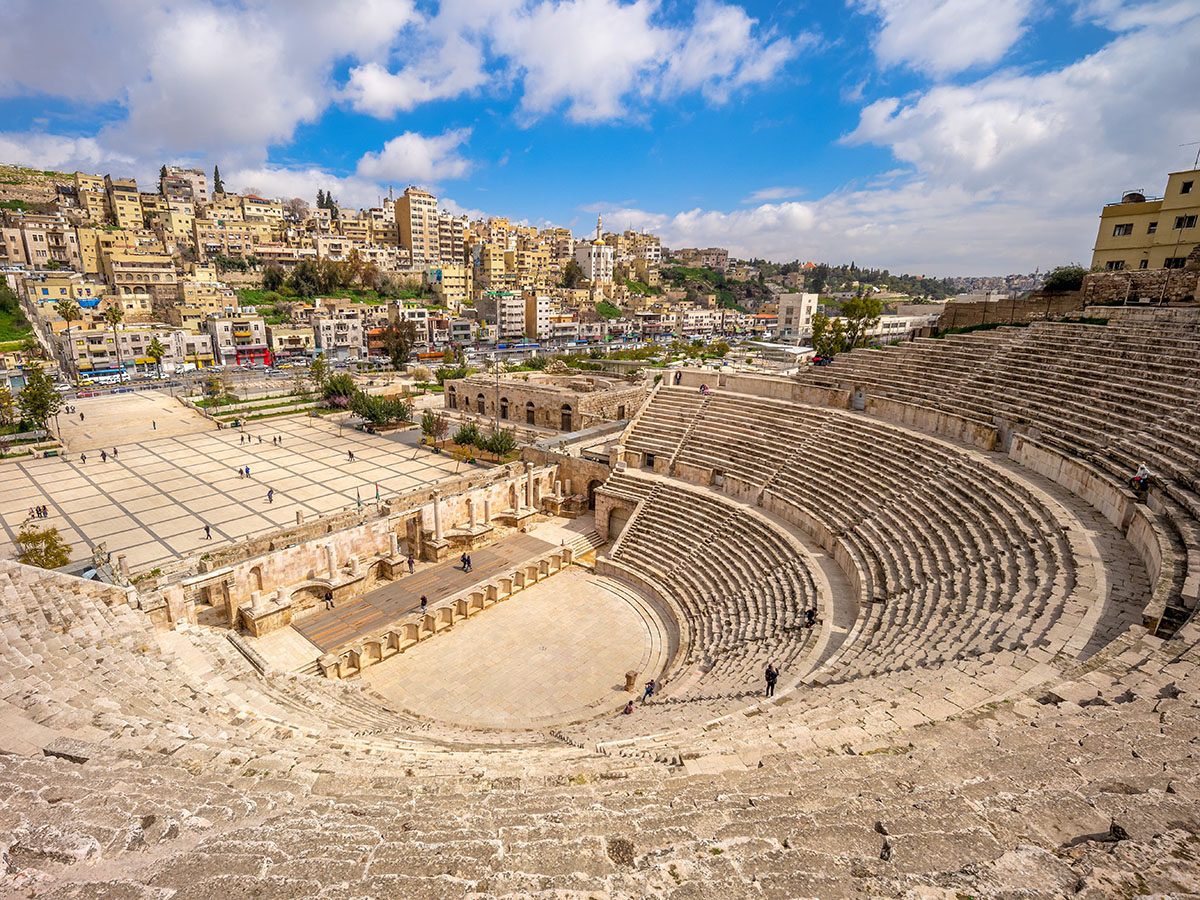
Downtown Amman sits on seven hills, and every street tells two stories—one ancient, one contemporary. The free walking tour model arrived in Jordan's capital around 2015, imported by guides trained in European cities and adapted to the rhythms of a Middle Eastern metropolis where hospitality is currency and conversation is navigation. Unlike ticketed monument tours, these walks prioritize context over checkboxes: why the Citadel overlooks the city, how the souk vendors organize by trade, what the graffiti on Rainbow Street signals about Amman's art scene. Most free walking tour Amman Jordan itineraries begin near the Roman Theatre, a second-century amphitheater that seats six thousand and still hosts concerts. From there, guides lead groups through the gold souk's narrow lanes, past spice merchants and vendors selling kunafa, before ascending staircases to Rainbow Street—a gentrified strip of cafes and bookshops that marks the boundary between old and new Amman. The Citadel remains visible throughout, its Umayyad Palace and Temple of Hercules columns backlit against the sky. Guides explain the city's layered identities: Ammonite, Roman, Byzantine, Islamic, Ottoman, Hashemite. The narrative is archaeological but also immediate, linking ancient trade routes to modern refugee flows. Tipping etiquette is straightforward but not standardized. Guides typically suggest a range at the tour's end, and most participants leave between five and ten Jordanian dinars depending on group size and engagement. Cash is standard; some guides accept digital payment but expect bills. The tip-based model means tour quality self-regulates—guides who phone it in lose repeat bookings and hostel referrals. The downtown district is walkable but hilly; comfortable shoes matter more than fitness level. Summer heat discourages midday starts, while winter rain makes morning departures safer. Tours run in English and Arabic, occasionally French or Spanish if requested in advance. The value proposition is access and interpretation. Solo wanderers see the Roman Theatre; guided groups learn why it faces north, who funded its restoration, and which Hollywood films shot there. The souk becomes legible, the call to prayer becomes context, and the six-thousand-year timeline compresses into a two-hour loop that ends where it began, with the amphitheater's stone tiers glowing under late-afternoon sun.
“The tip-based model means tour quality self-regulates—guides who phone it in lose repeat bookings and hostel referrals.”
The concept of a free walking tour in Amman is based on a model where there is no upfront mandatory entrance fee for participation. Participants are encouraged to provide a gratuity to their guide at the conclusion of the tour based on their personal satisfaction.
Verdict: While the tour has no admission cost, it is standard practice to tip the guide based on your assessment of the experience.
Free walking tours in Downtown Amman operate daily, providing consistent access to the city's historical center. The schedule reflects continuous availability to accommodate varied visitor itineraries.
The most effective way to experience the city is during the best arrival window of 09:00–17:00. This timeframe provides optimal daylight for navigating historical downtown streets and souks comfortably.
Mild, 15°C–25°C. Pleasant temperatures for walking long distances.
Comfortable, 18°C–28°C. Stable weather conditions for outdoor navigation.
— These periods offer the clearest access to historical narrow passages and local markets.
Verdict: For the clearest navigation of historical downtown, aim for Tuesday to Thursday between 09:00 and 17:00 during the months of April or October.
The meeting point for the walking tour is located in Downtown Amman, the city's historic and commercial center. Most visitors reach the area via the main arterial roads leading into the downtown district, often referred to locally as Al-Balad.
Direct to Downtown Amman (Al-Balad)
Local routes to Raghadan Bus Terminal
Navigate toward King Faisal Street
Downtown streets are narrow and often congested, so taxis or ride-sharing services are recommended over driving a private vehicle. Aim to arrive within the best arrival window of 09:00–17:00 to navigate the souks and historical streets effectively.
Walking tours in downtown Amman guide visitors through a dense collection of historical landmarks and vibrant local markets. These routes highlight the architectural transitions and cultural intersections found throughout the city center.
A second-century landmark built into the hillside, capable of seating 6,000 spectators.
Climb to the top row for a view of the city center.
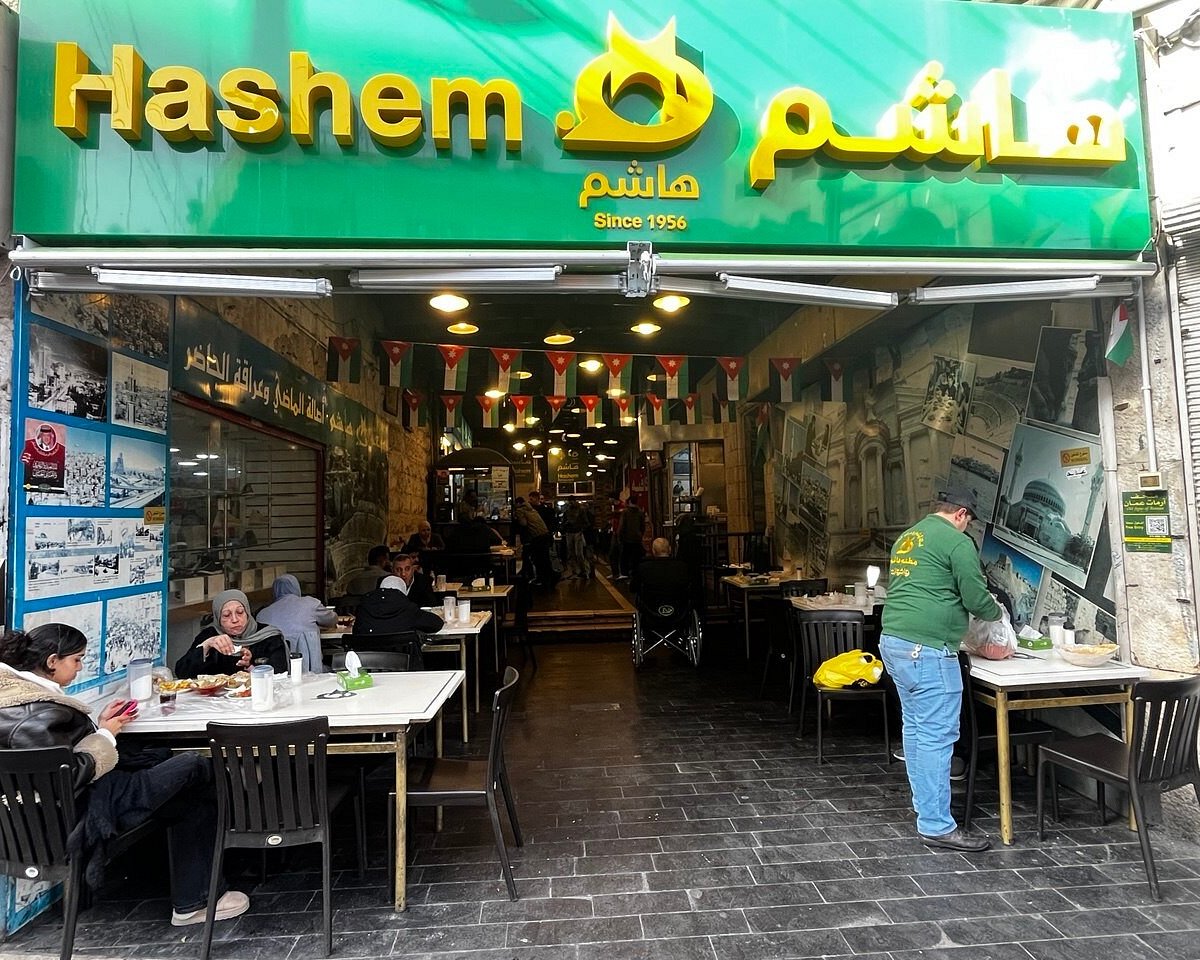
A long-standing local eatery located in a narrow alleyway serving traditional street food.
Arrive before midday to avoid the largest crowds.
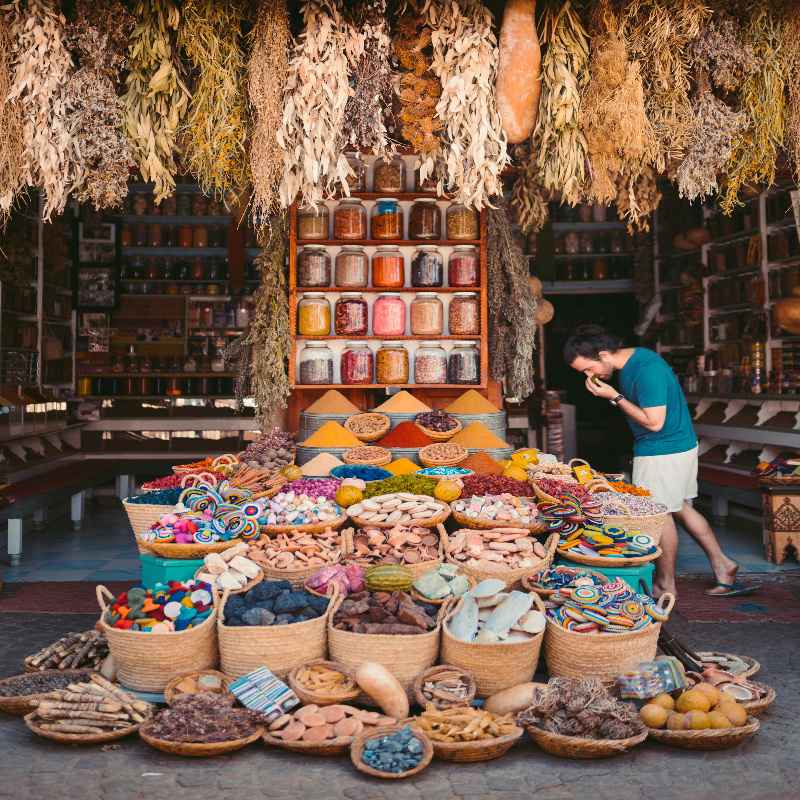
A seasonal market featuring crafts, antiques, and local artisanal goods near the downtown area.
Walk the full length to compare diverse handicraft offerings.
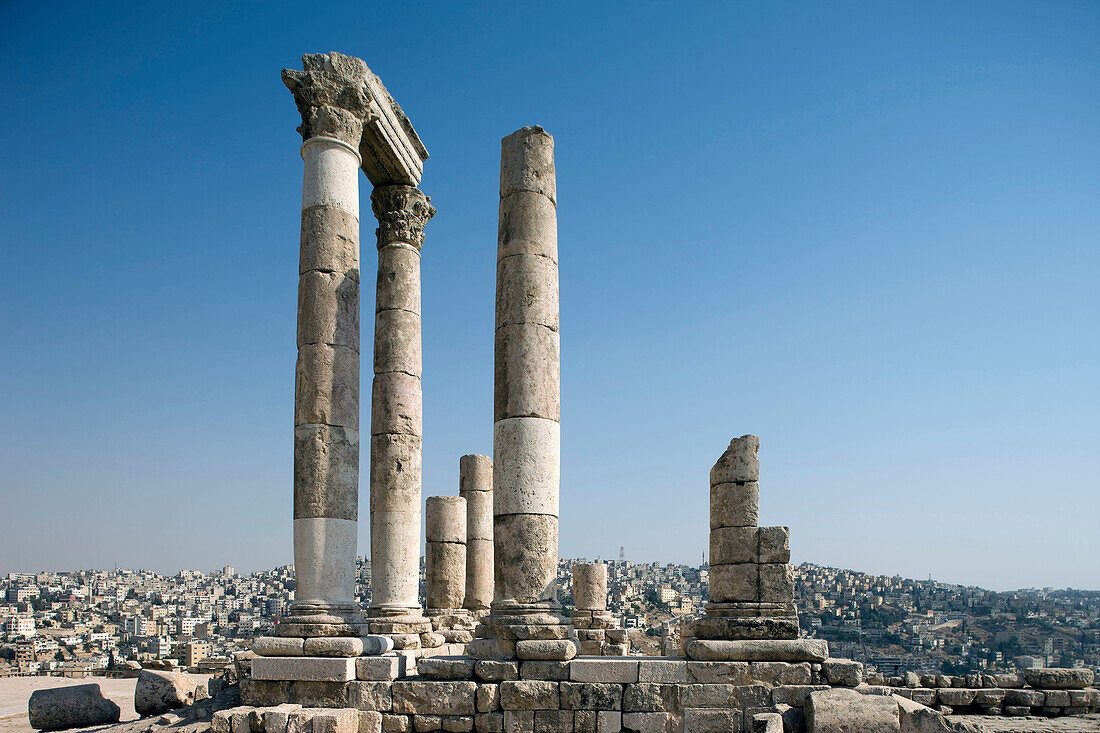
An archaeological site situated on Jebel Al-Qala'a with ruins from the Roman, Byzantine, and Umayyad periods.
Use the eastern edge for photos of the Roman Theatre below.
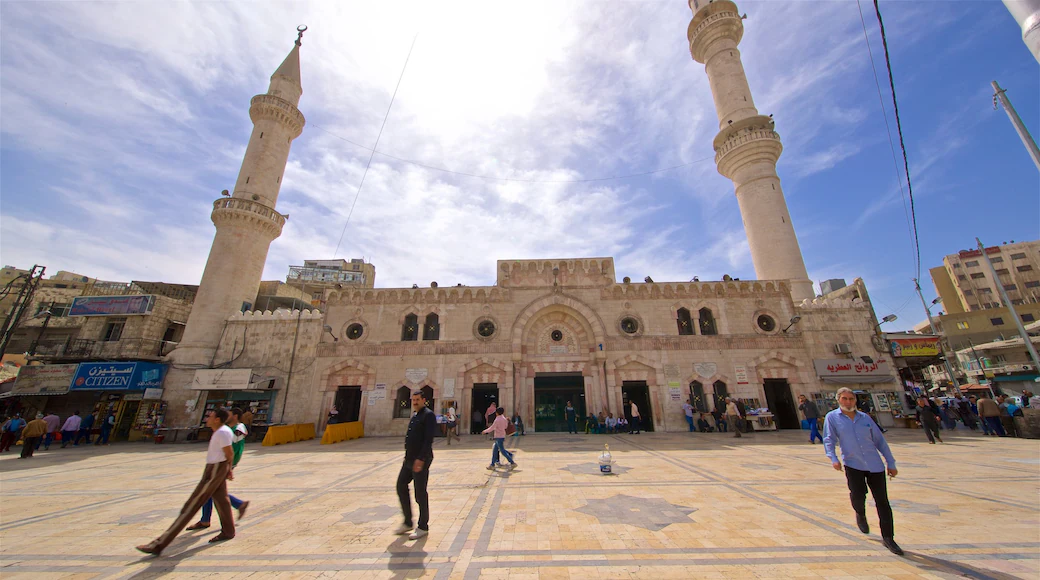
The oldest mosque in Amman, reconstructed in 1924, located in the heart of the downtown souks.
Observe the exterior stone work from the main square.
Navigating Amman on foot requires preparation for the city's unique terrain, climate, and local customs.
Wear broken-in walking shoes with sturdy soles to handle the steep hills and uneven stone streets of downtown.
Carry a reusable water bottle to refill frequently, as the dry climate necessitates consistent intake throughout your walk.
Dress modestly by covering shoulders and knees to respect local traditions, particularly when passing near mosques or residential areas.
Always ask for permission before taking photographs of locals, especially when focusing on individuals in the souks.
Amman's topography includes numerous staircases and inclines, so pace yourself and utilize breaks at local tea stalls.
Learning a few basic Arabic greetings like 'marhaba' or 'shukran' helps build rapport with shopkeepers and residents during your tour.
Everything you need to know about free walking tour amman jordan
Yes, visitors can participate in a free walking tour amman jordan to explore the city center. These tours provide an informative look at the local culture and history of the capital.
While some tours may allow walk-ins, it is generally recommended to reserve your spot online for any walking tour of Amman to ensure availability. Checking the booking schedule helps you plan your visit effectively.
Expect to visit iconic landmarks such as the Roman Theatre, traditional souks, and historic coffee houses. A professional guide will lead you through the vibrant streets, highlighting cultural nuances and historical architecture.
While there is no fixed entrance fee, tips are highly encouraged to support the local guides who provide these services. Offering a gratuity is a standard way to show appreciation for their knowledge and time.
Walking in downtown Amman is generally safe and a common way for tourists to see the city. Travelers should remain aware of their surroundings and follow basic safety precautions while navigating the busy thoroughfares.
A free walking tour amman jordan is suitable for families interested in history and local life. Keep in mind that the terrain includes historical streets and some uneven paths, so comfortable footwear is advised.
The best arrival window is 09:00–17:00 to take advantage of optimal daylight. This timeframe ensures you can fully experience the bustling souks and historical sites while they are active.